Sabino Marquez · Political theory · Democratic time
The Future Gets No Vote
Who gets to decide the future others must inhabit?
Democratic authority and the obligations carried by long-lived decisions
Manuscript Progress
Stage 3 of 7- Ideation — Complete
- Outline — Complete
- First draft — Current stage
- Revision draft — Not yet reached
- Copy edit — Not yet reached
-
QA /
Pre-release — Not yet reached - Publish — Not yet reached
A government can authorize a policy whose consequences will last decades. Debt, infrastructure, climate liability, and AI governance commit people to conditions that may outlive the officials and voters who chose them. An election gives the decision authority now. Who will make that authority answerable to the people living with its results?
The Future Gets No Vote examines the unequal horizons inside a shared voting day. People authorize conditions they will inhabit for different lengths of time. Sabino Marquez asks what democratic legitimacy requires when decision authority and exposure to consequences no longer share a reliable horizon.
The manuscript proposes the Rolling Sovereignty Model to govern that obligation. Design, stewardship, and verification become responsibilities that institutions must carry across changing generations, joining questions of authority and age to the continuity required for a public decision to remain answerable.
Readers gain a vocabulary for examining long-horizon legitimacy and institutional proposals whose powers they can challenge. The designs themselves require scrutiny: exposure measures can be captured, and age can become a pretext for denying rights.
What you’ll discover
- Recognize unequal consequence horizons within contemporary democratic decisions
- Examine the relationship of policy authority to the people inheriting its results
- Understand what the proposed Rolling Sovereignty Model seeks to govern
- Assess the rights and accountability questions raised by temporal governance
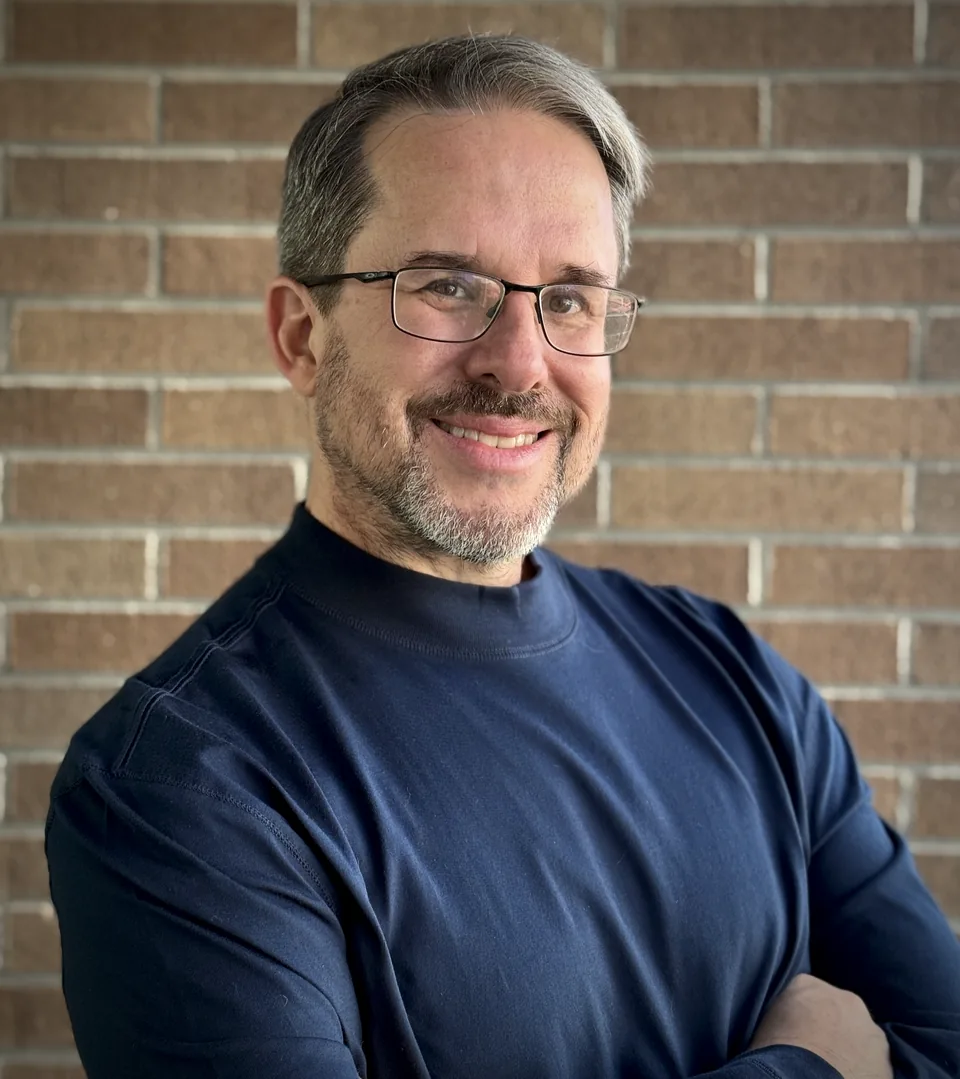
About the author
Sabino Marquez
Sabino Marquez is a researcher and author. His work on democratic time extends CFT inquiry into the relationship of authority, consequence exposure, and obligations carried across generations.
Explore the practiceReading And Publication
For questions about reading the manuscript or its publication, contact Sabino.
First draft complete.