Sabino Marquez · Consequence Field Theory · Graduate textbook
On The Study Of Consequence Fields
Learn to reconstruct how consequence moves.
An introductory graduate-level textbook mapping five sites of inquiry in Consequence Field Theory
Manuscript Progress
Stage 6 of 7- Ideation — Complete
- Outline — Complete
- First draft — Complete
- Revision draft — Complete
- Copy edit — Complete
-
QA /
Pre-release — Current stage - Publish — Not yet reached
On the Study of Consequence Fields establishes a baseline for sustained work in CFT. Sabino Marquez organizes this introductory graduate-level textbook as a field map across five sites of inquiry: FESO Thermodynamics, FESO Engineering, Epistemic Field Theory, Affective Legitimacy Theory, and Epistemic War Theory. The map identifies what each site studies, how its questions connect to the others, and which source works carry the theory and its instruments.
The teaching sequence builds understanding through increasingly resolved encounters. Readers establish the objects under investigation, follow the carriers and gates through which force moves, and examine the evidence left by its passage. Later encounters place instruments within that architecture and show how they work together in applied environments. Earlier concepts return with additional demands on what the reader can recognize and explain.
Diagrams, prerequisite crosswalks, construct and instrument catalogs, and source maps make the textbook a reference manual for research in progress. A reader investigating enterprise trust, institutional legitimacy, AI governance, organizational time, epistemic conflict, or a contested BMK can locate a question, trace its dependencies, and identify the primary work needed to pursue it. Instrument study carries a further obligation: understanding what an instrument reads, what evidence it requires, what it produces, and what its findings permit someone to claim. The textbook teaches readers to examine these requirements before undertaking applied work.
Written to establish a common working understanding for sustained CFT research, this manuscript gives graduate students, researchers, and practitioners a structured point of entry. Its five-site map represents a selected teaching architecture within a larger developing corpus. Readers gain the orientation to formulate a CFT inquiry, undertake deeper source study, and account for the reasoning their work will require.
What you’ll discover
- What the five sites of CFT inquiry study and how their questions connect
- How to trace epistemic force through objects, carriers, gates, and the evidence of consequence
- What a CFT instrument reads, what evidence it requires, how its readings couple with other instruments, and what claims such findings permit
About the author
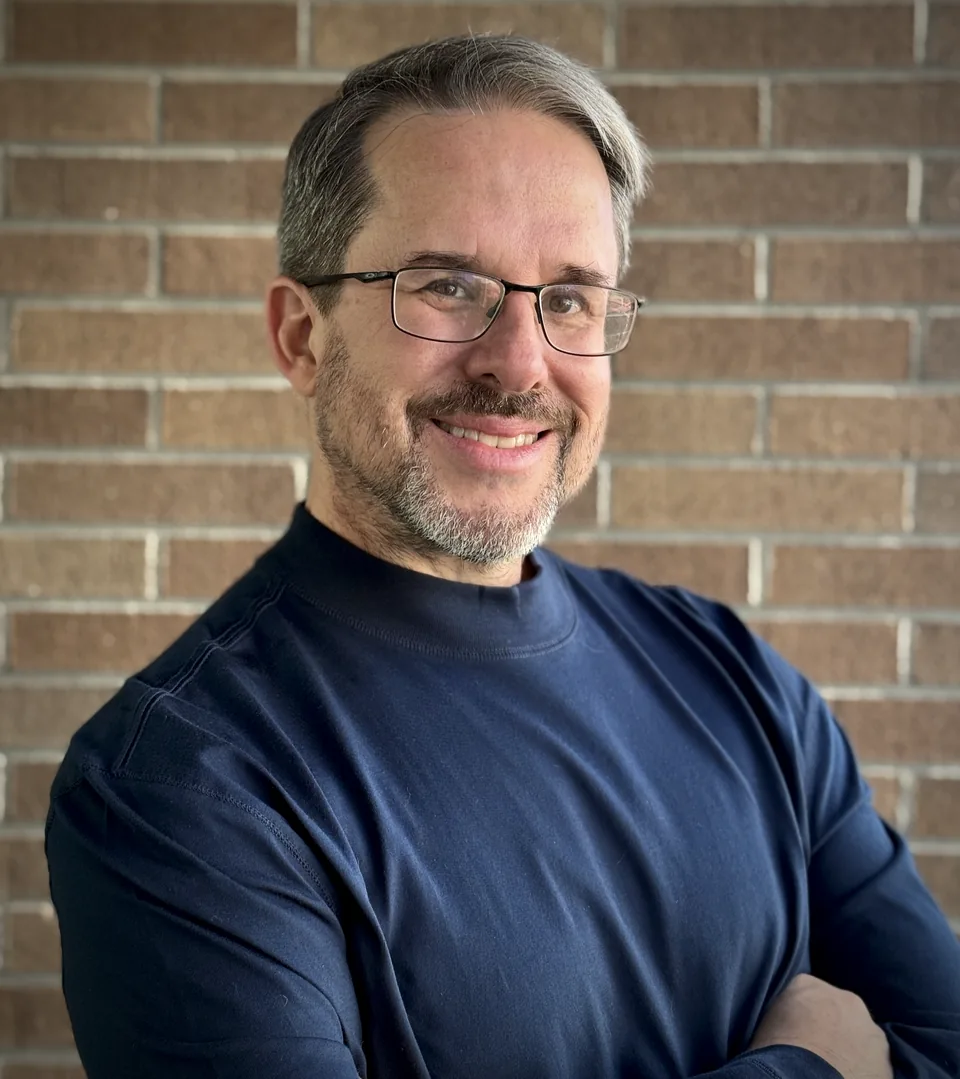
Sabino Marquez
Sabino Marquez is a researcher, technology executive, and co-founder of Trustable. He wrote On the Study of Consequence Fields to establish a common working understanding for sustained CFT research.
Explore the practiceReading And Study
For questions about reading or using the textbook in graduate study, research, or teaching, contact Sabino.
In QA / Pre-release.